


Ethical Fashion Brands Using Hand Block Prints
Table of Contents
- What Hand Block Printing Means in Ethical Fashion
- How to Identify Ethical Fashion Brands Using Hand Block Prints
- The Difference Between Hand Block Printing and Digital Printing
- Ethical Clothing Brands: What Sets Them Apart
- Noble Misfit: Blending Heritage Craft with Everyday Wear
- Sustainable Fashion Brands: Beyond the Label
- Care and Longevity: Making Hand-Printed Garments Last
- Frequently Asked Questions
Last Updated: October 14, 2026
What Hand Block Printing Means in Ethical Fashion
Hand block printing is an ancient textile technique where artisans carve patterns into wooden blocks, then press them onto fabric by hand. Each color requires a separate block and a separate pass across the cloth.
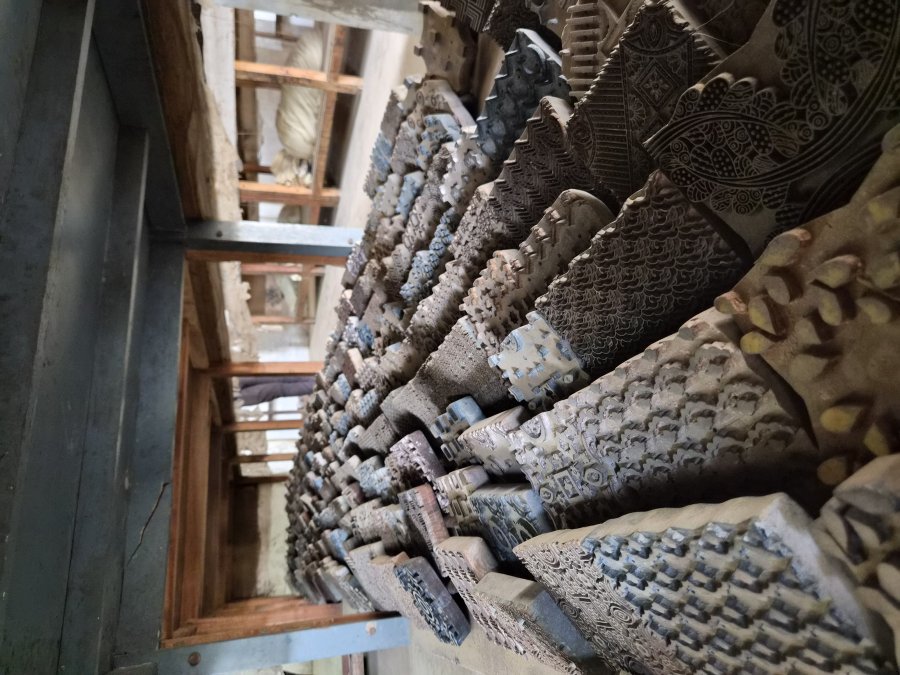
This craft tradition carries profound ethical weight. When you wear a hand block-printed garment, you're supporting artisans who've spent years mastering their skill. The labor-intensive nature of the work means fair compensation is built into the economics. The technique demands respect for both the craftsperson and the cloth.
At Noble Misfit, we've centered our approach around these traditions because they align with how we believe clothing should be made. Hand block printing isn't a trend we're capitalizing on, it's a commitment to a way of working that honors both heritage and the people who sustain it.
How to Identify Ethical Fashion Brands Using Hand Block Prints
Not every brand claiming to use hand block prints actually does. Some use digital printing on synthetic materials and market it as traditional craft. Others source from suppliers without verifying labor conditions. Here's how to separate authentic from marketing.
Transparency in Production and Sourcing
Ask where the garment is made and who made it. Ethical brands will tell you the region, the specific technique, and often the name of the artisan community. Look for brands that document their supply chain, not vague claims about "supporting artisans," but specific information about production locations and labor practices.
The best brands invite scrutiny. They explain why hand block printing takes time and what happens at each stage of production. They'll tell you the cloth passes through repeated rounds of dyeing and washing, that each color is applied separately, that the process cannot be rushed. This transparency builds trust because it shows they understand the craft and respect the people doing it.
Artisan Recognition and Fair Compensation
Ethical brands name the artisan communities they work with and explain how compensation flows. Some partner directly with cooperatives. Others work through fair-trade networks that verify wages and working conditions. The key is specificity.
Look for brands that celebrate the craft traditions themselves. When a company explains the Sanganeri tradition or the Ajrakh process with genuine detail, it signals they've invested time in understanding the work. They're not just buying finished cloth, they're stewarding a tradition.
The Difference Between Hand Block Printing and Digital Printing
Digital printing applies color directly to finished fabric using inkjet technology. It's fast, precise, and allows unlimited color combinations. Hand block printing, by contrast, requires the cloth to pass through repeated rounds of resist paste, dyeing, and washing. Each color is laid down separately over multiple stages.
The visible difference is striking. Hand block prints have soft edges where the wooden block meets the cloth. Colors build up gradually, creating depth that comes from the dye reacting with the fiber over successive rounds. Digital prints are sharp and uniform, every piece is identical.
The ethical difference matters more. Digital printing can be done anywhere on any material, including synthetics. Hand block printing requires skill, time, and natural fibers that absorb dye properly. The technique itself enforces quality and craftsmanship.
| Aspect | Hand Block Printing | Digital Printing |
|---|---|---|
| Process | Wooden blocks, multiple dye rounds, natural fibers | Inkjet technology, single application, any fabric |
| Visual signature | Soft edges, color depth, slight variations | Sharp lines, uniform color, identical pieces |
| Durability | Improves with wear on natural fibers | Fades faster, especially on synthetics |
| Labor intensity | High, artisan-driven | Low, machine-driven |
| Sustainability | Natural dyes, no chemical waste (when done traditionally) | Chemical inks, water usage in printing |
Ethical Clothing Brands: What Sets Them Apart
Ethical fashion brands differ in their approach, but they share core commitments: transparency about where and how garments are made, fair compensation for workers, and respect for the craft traditions they draw from.
Some brands focus exclusively on hand block printing and work with specific artisan communities. Others integrate hand-printed textiles into a broader collection of ethically made pieces. The strongest brands don't just source ethical products, they educate their customers about why the work matters and how to care for garments so they last.
The best ethical brands also acknowledge the reality of their business: they're not charities. They're profitable because customers value the quality and the story behind each piece. That profitability allows them to invest in long-term partnerships and plan for the future rather than chase fast-fashion cycles.
Noble Misfit: Blending Heritage Craft with Everyday Wear
We started with a simple question: why should you choose between two wardrobes? Why reserve hand-printed heritage textiles for special occasions when they could be part of your everyday life?
Most heritage-inspired clothing treats traditional crafts as decoration, something formal, something to pull out for weddings or cultural events. We approached it differently.
Our Ajrakh Women's Full Sleeve Shirt in red, for example, works as formal workwear tucked into black trousers. It works as a casual layer open over a cami. It works for after-hours occasions.

We designed in Toronto and craft in India because we wanted to honor both the tradition and the contemporary context. The artisans we work with are based in regions where hand block printing has been practiced for generations.
The Sanganeri and Ajrakh Traditions
Sanganeri printing comes from just outside Jaipur, Rajasthan, where artisans have perfected floral and geometric patterns over centuries. The technique involves carving wooden blocks and pressing them onto cloth, building up the pattern one color at a time.
Sanganeri (Foral) Block Print Crop Shirt - Green and Yellow →
Ajrakh is among the most labor-dense printing traditions still practiced. The cloth passes through repeated rounds of resist paste, dyeing, and washing, dried between each stage. The depth of color, deep reds, rich blacks, vibrant blues, comes from the dye reacting with the cloth over successive rounds rather than from a single application.
Both traditions demand patience. Both traditions demand skill. Both traditions are kept alive by artisans who choose to continue the work despite the labor involved. When you wear a Sanganeri or Ajrakh garment, you're wearing the result of that choice.
Designing for Two Wardrobes Becomes One
The core insight behind our collection is this: heritage craft doesn't need to live separately from your modern wardrobe. A hand block-printed shirt can work with your existing jeans, blazers, and trousers. A fitted Ajrakh mini skirt can layer under a knit or pair with boots.
Our Men's Full-Sleeve Shirt combining Sanganeri and Ajrakh details shows this philosophy in action. One garment, two textile traditions, one cohesive design. Wear it buttoned with tailored trousers for a polished look. Wear it open over a tee for something more relaxed.
This approach matters because it makes ethical fashion practical. You don't need to overhaul your wardrobe or commit to a separate aesthetic. You can express your roots and your values through individual pieces that work within the life you already live.
Sustainable Fashion Brands: Beyond the Label
Sustainability in ethical fashion means different things to different brands. Some focus on natural materials, organic cotton, linen, regenerated fibers. Others emphasize durability and longevity, designing pieces meant to be worn for years.
Hand block printing itself carries sustainability benefits, though they're often understated. Natural dyes used in traditional Sanganeri and Ajrakh work have lower environmental impact than synthetic dyes.

But here's what matters more than the label: a garment that lasts. A hand block-printed shirt made from natural cotton that you wear for years is more sustainable than a cheaper alternative you replace annually.
Ethical brands that focus on quality and design longevity are making a sustainability argument without always framing it that way. They're saying: buy less, wear more, choose pieces that age well and integrate into your life.
Care and Longevity: Making Hand-Printed Garments Last
Hand block-printed garments improve with wear. The natural fibers soften, the colors develop character, and the cloth becomes more comfortable against your skin.
To extend the life of your hand-printed garments, wash in cold water and air dry. Heat and harsh detergents can fade the dyes and weaken the fibers.
Store your pieces flat or loosely folded rather than hanging, which can stretch the fabric over time. Rotate them regularly rather than wearing the same piece constantly. This simple care extends the lifespan significantly.
The investment in a hand block-printed garment, whether from us or from other ethical brands, pays off through durability and wearability. These pieces aren't meant to be trend items. They're meant to be worn, cared for, and passed down.
Choosing ethical fashion brands using hand block prints means supporting artisans, honoring craft traditions, and building a wardrobe that reflects your values. Each hand block-printed piece we create, from our Sanganeri Crop Shirt to our Ajrakh pieces, is designed to integrate seamlessly with how you actually dress. You're sustaining a way of working that respects both the people and the craft. Shop our hand block-printed collection and discover how heritage craft transforms everyday style.

Frequently Asked Questions
What is hand block printing in fashion?
Hand block printing is a traditional textile technique where carved wooden blocks are pressed onto fabric one color at a time. Each block is carved with a unique pattern, and artisans apply dye to the block before stamping it onto the cloth. This labor-intensive process creates subtle variations in pattern placement and color depth across each garment, making every piece distinct. Unlike digital printing, hand block printing is a centuries-old craft tradition that preserves cultural heritage while producing durable, high-quality fabrics.
How can you tell whether a hand-block-printed garment is ethically made?
Look for brands that openly share their production location, artisan partnerships, and labor practices. Ethical fashion brands using hand block prints typically provide information about where garments are made and who creates them. Check for transparency about fair wages, working conditions, and artisan recognition. Authentic hand-printed pieces show slight variations in pattern registration and color depth as evidence of the hand process. Avoid brands that claim hand-block printing but offer suspiciously low prices or provide no production details. Noble Misfit, for example, clearly identifies that pieces are hand-printed in specific textile traditions and designed in Toronto while being crafted in India.
What makes hand block printing different from screen printing?
Hand block printing uses individual carved wooden blocks applied by hand to create patterns, while screen printing pushes ink through a mesh screen. Hand block printing is slower and more labor-intensive, which is why each piece shows natural variations in placement and color saturation. Screen printing is faster and produces more uniform results across pieces. Hand block printing creates deeper, more complex color layers through repeated dye applications and washing cycles, particularly in techniques like Ajrakh. This makes hand-printed garments visually distinctive, with evidence of the artisanal process visible in the subtle offsets where blocks meet.
Can hand-block-printed clothes actually work with a modern everyday wardrobe?
Yes. The key is choosing pieces designed for versatility, not special occasions. Hand-block-printed garments in neutral or tonal colorways, like solid whites with printed pockets or classic blacks with subtle patterns, layer seamlessly with existing professional clothing. A printed shirt can be worn buttoned for formality or open over a plain tee for casual wear. Pieces designed with contemporary silhouettes, camp collars, cropped cuts, full sleeves, pair naturally with jeans, blazers, and tailored trousers. Noble Misfit specifically designs its hand-printed pieces to integrate into daily professional and social wardrobes, allowing you to wear heritage craft without choosing between two separate styles of dress.
How do you care for hand-block-printed clothing to maintain quality?
Hand-block-printed garments made from natural cotton are durable when cared for properly. Wash in cool water with gentle detergent to preserve color depth and pattern clarity. Turn pieces inside out before washing to protect the printed surface. Air-dry rather than machine-drying to extend the life of both fabric and print. Avoid harsh chemicals and excessive heat. Hand-printed textiles improve with wear and washing as natural fibers soften and become more comfortable. Because the dye is applied through repeated rounds of dyeing and washing during production, particularly in Ajrakh technique, the color is built into the fiber.


