


8 Things to Know About Breathable Jamdani Tops for Daily Wear
Last Updated: October 26, 2026
Quick Summary
Breathable jamdani tops for daily wear should be 100% cotton with hand-inserted motifs, a relaxed cut, and a light weave that lets air pass through. At Noble Misfit, our cami tops are 100% cotton, run true to size, and are designed to move between work, weekends, and evenings.
- Check the label for clear fiber content; our cami tops are 100% cotton with nothing synthetic.
- Hold the fabric to light: a soft, even glow means air moves through the cloth.
- Tie straps adjust by knot so you control the neckline drop and fit.
- Wash cold and skip the dryer to avoid shrinkage and fading.
- Our cami tops are $109.00 CAD for rust and $119.00 CAD for indigo.
Table of Contents
- Why Breathable Jamdani Tops Belong in a Daily Wardrobe
- Cotton Composition and Fabric Quality: What to Check Before You Buy
- Breathability and Lightweight Comfort for Warm Weather and Long Days
- Fit, Sizing, and Silhouette Guidance for Real Bodies
- How to Style Jamdani Tops for Work, Weekends, and Evenings
- Caring for Handloom Cotton Garments Without Shrinking or Fading
- Pricing, Provenance, and What Value Actually Looks Like
- Choosing Your First Jamdani Top from Noble Misfit
- Frequently Asked Questions
Why Breathable Jamdani Tops Belong in a Daily Wardrobe
A jamdani top is a lightweight cotton garment woven with hand-inserted motifs, and it earns a place in daily rotation because the cloth breathes, drapes easily, and looks finished without effort. At Noble Misfit, we build our collection around one idea: you should not need two separate wardrobes. The concept of "between two wardrobes" sits at the center of our brand story. Most of us were raised with a shelf of occasion wear and a rail of everyday clothes, and never the two shall meet. Breathable jamdani tops close that gap.
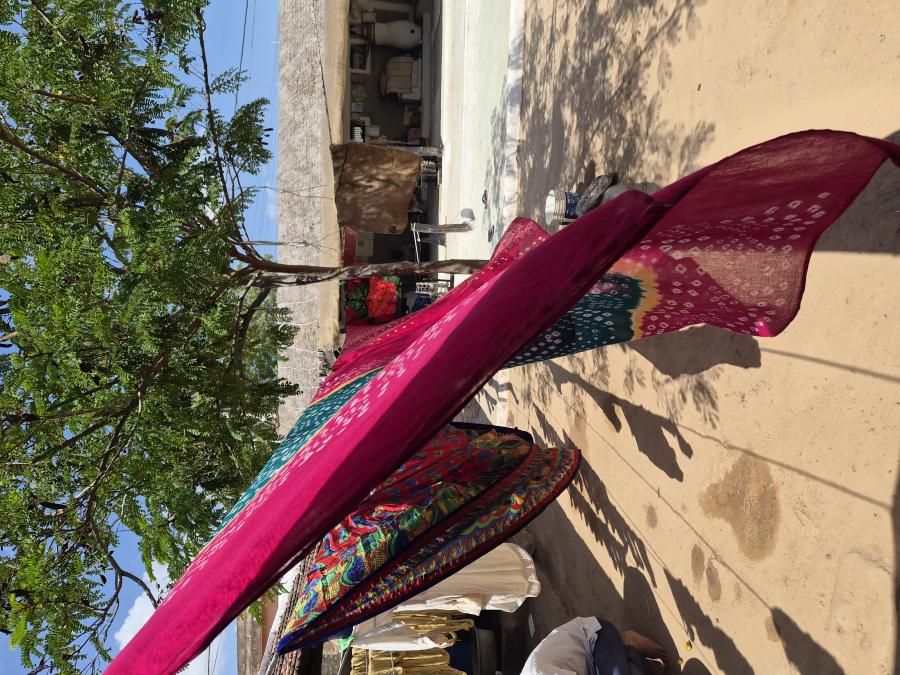
Here is what most buying guides get wrong. They treat jamdani as festive wear, photograph it with gold jewellery, and quietly suggest you save it for a wedding. That framing keeps a genuinely practical fabric locked in a closet eleven months a year. The truth is simpler: a well-made cotton jamdani top handles a Tuesday at a desk, a Saturday market run, and a dinner out, often in the same week.
Below, we walk through fabric quality, breathability, fit, styling, care, and pricing, so you can judge a piece properly before you spend.
Cotton Composition and Fabric Quality: What to Check Before You Buy
Start with the fiber content, because everything else follows from it. A jamdani top should be predominantly cotton, and the label should say so plainly rather than hiding behind words like "blend" or "premium fabric."
Three things separate a good piece from a disappointing one:
- Fiber content stated clearly. Our cami tops are 100% cotton, with nothing synthetic in the cloth. That is why they wear cool and crease honestly instead of trapping heat.
- Motif construction. In true jamdani, the motifs are not printed on top of the cloth. Each one is added by hand during weaving, worked in against the ground thread by thread. You can often feel the difference at the surface.
- Weight and hand-feel. Hold the fabric up to light. A good daily-wear cotton has a soft, slightly dry hand and enough body to hold a shape without stiffness.
Watch out: a "jamdani print" on a polyester base will photograph beautifully and feel clammy by mid-afternoon. Ask what the cloth is made of before you fall for the pattern.
For a broader look at how hand-printed textiles are constructed and what that means for longevity, the Textile Museum of Canada's textile learning resources are a useful reference point on craft techniques.
Breathability and Lightweight Comfort for Warm Weather and Long Days
Breathability is not a single property; it is the result of fiber, yarn, weave, and garment cut working together. Understanding those variables helps you judge a jamdani top before you wear it through a humid afternoon.
Fiber and moisture handling. Cotton fibers absorb moisture and release it slowly, which is why cotton feels cooler than polyester against the skin.
Weave density and air permeability. Jamdani is a supplementary-weft weave, meaning the motif threads are inserted by hand during weaving rather than printed on afterward.
Fabric weight (GSM). Fabric weight is measured in grams per square meter (GSM). For daily-wear warm-weather tops, a common range is roughly 80-120 GSM for lightweight cotton.
Garment cut and airflow. A relaxed cut that sits away from the body allows air to circulate between fabric and skin.
Color and heat absorption. Light grounds such as cream, ivory, and pale indigo reflect more solar heat than deep saturated dyes. If you plan to wear the top outdoors in direct sun, a lighter ground will feel cooler.
A common mistake is assuming all cotton jamdani tops breathe the same. They do not. A tightly woven cotton with a heavy starch finish will feel warmer than a loosely woven cotton with a soft hand. Ask about weave density and finish if you run hot.
For a broader look at how hand-printed textiles are constructed and what that means for longevity, the Textile Museum of Canada's textile learning resources are a useful reference point on craft techniques.
Fit, Sizing, and Silhouette Guidance for Real Bodies
Fit is where online clothing purchases are won or lost, so here is the practical version. A relaxed-fit jamdani top should skim the body, sit cleanly at the shoulder, and give you room to move without billowing.
Our cami tops use tie straps at the shoulder, adjustable by knot, so you set the drop yourself. That single detail solves most fit anxiety: you can wear it as a cami or tie it as a halter, and you control the length through the body.
A quick fit checklist:
- Shoulder ties sit flat without digging in
- The V neck lies flat when you move
- Enough room across the back to reach forward comfortably
- Length works both tucked and untucked
An A-line silhouette in a matching skirt turns the top into a co-ord set, which flatters most body shapes because the line falls away from the hip rather than clinging.
Jamdani Cami top with Tie straps - Blue →
How to Style Jamdani Tops for Work, Weekends, and Evenings
Styling a jamdani top is easier than most people expect, because the piece is designed to layer. The trick is treating it like any other cotton top in your closet, not like a costume.
For the office. Wear the indigo cami under an open white shirt or a blazer, with tailored trousers. The motifs read as texture rather than decoration, which is exactly what makes it work beside your existing workwear.
For weekends. Pair the cami with denim and sandals. A light-wash jean and a cream or indigo top is a reliable combination. For a market run, add a crossbody bag and a straw hat.
For evenings. The rust cami with a dark skirt and simple jewellery needs nothing else. A midi skirt in black or navy lets the top carry the outfit. Swap sandals for block heels and add a small clutch.
Transition tips. One top can move from desk to dinner with two changes: swap the blazer for a cardigan or bare shoulders, and change your shoes. Keep a small pair of earrings in your bag for a quick upgrade. The tie straps are the most useful transition tool: raise the neckline for daytime, lower it for evening.
What to avoid. Do not pair a jamdani top with heavily printed bottoms; the motifs need a solid ground to read clearly.
If you want a fuller guide on wearing traditional prints to the office, our piece on styling traditional prints for work goes deeper.
Caring for Handloom Cotton Garments Without Shrinking or Fading
Care is straightforward if you respect two things: heat and agitation. Handloom cotton responds well to gentle handling and poorly to a hot dryer.
- Wash cold, by hand or on a gentle cycle. Hot water is the main cause of shrinkage.
- Use a mild detergent. Harsh chemicals dull natural dyes over time.
- Skip the dryer. Lay flat or hang in shade; direct sun fades indigo faster than you would think.
- Iron on medium while slightly damp. The cloth smooths out easily.
For more detailed instructions on maintaining hand-printed cotton, see our guide to caring for hand-printed cotton fabrics.
Pricing, Provenance, and What Value Actually Looks Like
Price on handwoven cotton reflects labor, and that is the honest way to read it. A jamdani piece carries the time of the weaver who inserted every motif by hand, which is a different cost structure from a printed synthetic top.
Our cami tops are $109.00 CAD for the rust colorway and $119.00 CAD for the indigo. That range buys hand-inserted motifs, natural cotton, and a cut designed to be worn repeatedly rather than once.
When judging value, ask three questions:
| What to check | Why it matters |
|---|---|
| Fiber content | Natural cotton breathes and lasts |
| Motif construction | Hand-inserted motifs signal real craft |
| Origin transparency | Made in India, designed in Toronto |
| Versatility | A piece you wear weekly costs less per wear |
Provenance matters, and it is fair to ask where a garment comes from. Ours are made in India and designed in Toronto, and we say so plainly. For context on why craft production carries the cost it does, the Canadian Fair Trade Network's resources on ethical sourcing offer useful background.
Choosing Your First Jamdani Top from Noble Misfit
If you are buying your first piece, start with the colorway that matches what you already own. The Jamdani Cami top with Tie straps - Blue pairs with denim, white shirts, and neutral tailoring, making it the easier entry point. The Jamdani Cami top with Tie straps - Blue pairs with denim, white shirts, and neutral tailoring, making it the easier entry point. The Jamdani Cami top with Tie straps - Red suits anyone who wants the top to carry the outfit on its own.


Both are 100% cotton, both run true to size, and both are limited pieces with no restocks. If you are still weighing whether the investment makes sense, our article on whether handmade jamdani cami tops are worth buying addresses that question directly.
Frequently Asked Questions
What makes Jamdani fabric ideal for daily wear?
Jamdani is woven from 100% natural cotton, which is why it wears cool and creases honestly rather than trapping heat the way synthetic blends do. The motifs are added by hand during weaving rather than printed on top, so the cloth stays soft and breathable against the skin. For daily wear, look for a relaxed cut and a lightweight cotton ground. Noble Misfit's jamdani tops are cut easy through the body and run true to size, so you can wear them through a full workday without adjusting.
How do you style a handwoven Jamdani top for a contemporary look?
Treat it like any modern top rather than a special-occasion piece. A blue indigo cami works under a white crop shirt with denim for weekends, or alone with a matching A-line skirt for warmer days. For the office, layer it under a blazer and keep the rest of the outfit neutral. In cooler months, wear it under a cardigan with boots. The tie straps adjust by knot, so you can wear it as a cami or a halter depending on the neckline you want.
Is Jamdani cotton breathable enough for summer weather?
Yes, provided the garment is 100% cotton and not lined with synthetics. Natural cotton moves air and moisture away from the skin, which is why it feels cool in heat. Check the fabric composition label before buying: a cotton-linen blend will feel crisper and dry faster, while pure cotton drapes more softly. Avoid pieces with polyester lining, which cancels out the breathability of the outer cloth. Gentle wash care also preserves the weave so it keeps breathing wear after wear.
How can you tell if a Jamdani garment is authentic handloom?
Look at the motif placement. In authentic Jamdani, motifs are worked in by hand during weaving, so spacing shifts slightly from piece to piece and no two layouts are identical. Printed imitations repeat perfectly and often show a flat, uniform surface. Ask where the piece was made and by whom. Noble Misfit's jamdani tops are made in India and designed in Toronto, and each piece carries the irregular rhythm of its making, which is the technique rather than a flaw.
The hardest part of building a wardrobe that spans both halves of your life is finding pieces that genuinely do both. That is the problem we set out to solve at Noble Misfit, with hand-printed textiles, everyday cuts, and garments designed to mix into the closet you already have. Explore the collection and find the piece that finally bridges the gap. Get started with Noble Misfit and build one wardrobe that works everywhere.


