


Buy Hand-Printed Contemporary Apparel in Canada: A Review
Table of Contents
- Why Hand-Printed Apparel Belongs in a Modern Canadian Wardrobe
- Hand-Block Printing, Hand Painting, and Direct-to-Garment: What You Are Actually Buying
- A Closer Look at Hand-Printed Apparel Worth Buying
- The Artisan Clothing Sizing Guide: Fit, Ease, and Why Handmade Runs Big
- How to Care for Hand-Printed Clothes So the Print Outlasts the Season
- Small-Batch Clothing Returns: What to Expect Before You Order
- Canadian-Made Design, Artisan-Made Cloth: Reading the Label Correctly
- Verdict: Who Should Buy Hand-Printed Contemporary Apparel
- Frequently Asked Questions
Last Updated: October 18, 2026
Why Hand-Printed Apparel Belongs in a Modern Canadian Wardrobe
The case for hand-printed clothing is simple: you get a garment with visible human decisions in it, and you wear it far more often than the occasion piece it replaces.
Our story starts with a problem we kept hearing from customers: the wardrobe split in two. Every piece is designed to be worn on a Tuesday, not saved for a function.
Below: the three print methods, the pieces worth your money, how sizing runs, and what to expect from returns.
Hand-Block Printing, Hand Painting, and Direct-to-Garment: What You Are Actually Buying
Hand-block printing is a relief printing method where carved wooden blocks are inked by hand and pressed onto cloth, one colour and one repeat at a time. Three methods dominate the market, and they produce very different garments.
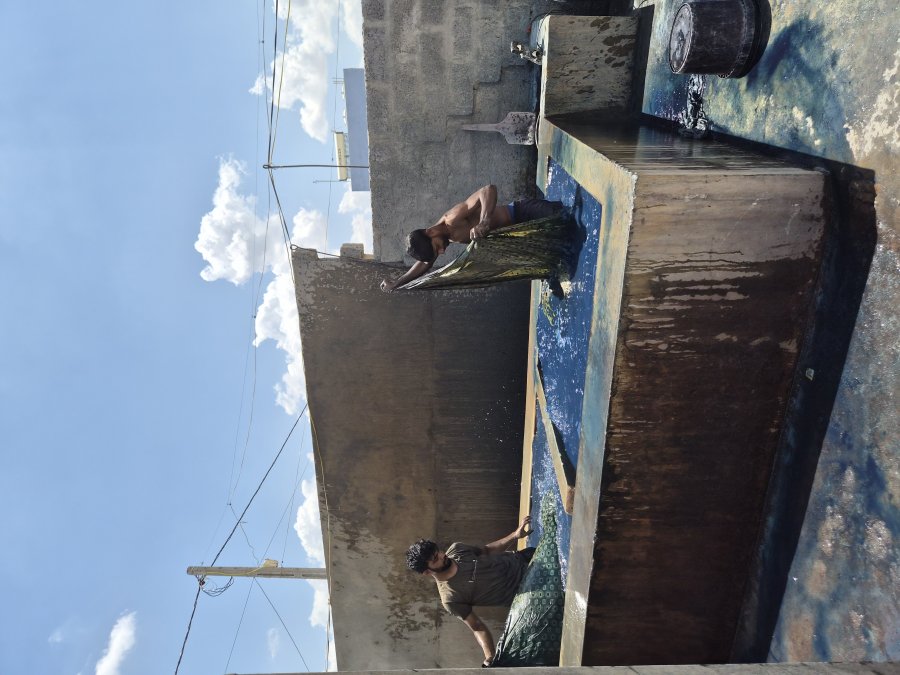
- Hand-block printing: Carved wood, dye, and repeated pressure. Ajrakh is the most labour-dense example, passing through rounds of resist paste, dyeing, and washing, one colour at a time. Small offsets where blocks meet are the evidence of hand placement.
- Hand painting: A brush or pen applies colour directly. Each piece is effectively a one-off painting, and no two are identical.
- Direct-to-garment printing: A digital printer lays ink onto fabric. Fast, consistent, and cheap at scale. The print sits on top of the cloth rather than inside it, and it usually goes onto synthetic blends.
Price follows labour: a hand-block shirt costs more than a digitally printed one for the same reason a hand-thrown bowl costs more than a moulded one.
A Closer Look at Hand-Printed Apparel Worth Buying
Here is our honest read on the pieces in the current collection, with prices in Canadian dollars.
Sanganeri and Ajrakh Full-Sleeve Shirt in Brown
The most versatile piece in the drop, and the one we would point a first-time buyer toward. It pairs a light Sanganeri block-printed base with an Ajrakh panel in a complementary print, both on 100% cotton. The collared, full-sleeve cut works buttoned with trousers or open over a T-shirt. Designed in Toronto, crafted in India. $159.00. It runs big, so try a size down.
Cream Full-Sleeve Shirt with Sanganeri Pocket
A solid white cotton shirt with a single hand-printed Sanganeri pocket. True to size, collared, full sleeve. This is the quietest way into hand printing: the craft is there, but it reads as a clean white shirt from across the room. $99.00, the lowest entry point in the collection.
Ajrakh Women's Full-Sleeve Shirt in Red
Pure cotton, regular fit, functional buttons, and the deepest colour in the range. The red comes from dye reacting with the cloth over successive rounds rather than a single application. Wear it with a black cami and sandals in summer, a black knit and ankle boots in fall, or opaque tights and a heavy cardigan in winter. $129.00. Runs big, so size down.
Ajrakh Camp Collar Shirts in Black and Blue
Two relaxed camp-collar shirts, short sleeve, 100% cotton. The black carries red Ajrakh throughout at $149.00; the blue pairs an indigo ground with ochre motifs and a contrast red Ajrakh pocket and undercollar at $129.00. Both run big. Wear them buttoned with jeans, open over a tee, or under a jacket with the collar out.

| Piece | Price (CAD) | Fabric | Fit | Best For |
|---|---|---|---|---|
| Brown Sanganeri and Ajrakh Shirt | $159.00 | 100% cotton | Relaxed, runs big | A statement piece that still works for the office |
| Cream Shirt with Sanganeri Pocket | $99.00 | Cotton | True to size | A first hand-printed purchase |
| Red Ajrakh Women's Shirt | $129.00 | 100% cotton | Regular, runs big | Year-round layering |
| Black Ajrakh Camp Collar Shirt | $149.00 | 100% cotton | Relaxed, runs big | Evenings and weekends |
| Blue Ajrakh Camp Collar Shirt | $129.00 | 100% cotton | Relaxed, runs big | Couples and group dressing |
The Artisan Clothing Sizing Guide: Fit, Ease, and Why Handmade Runs Big
Most hand-block pieces run large: the cloth is printed before it is cut, and natural cotton shifts slightly through the dye and wash cycles.
Before you order, measure a shirt you already like across the chest, flat, and compare it to the size chart rather than guessing from the label. If you sit between two sizes on a relaxed piece, take the smaller one.
How to read the size chart like a tailor
A size chart is only useful if you measure the way the pattern was drafted.
Hand-printed cotton is usually cut generously through the chest and shoulder while the waist stays straight, that is what gives a relaxed shirt its drape. If you have a narrow frame, sizing down brings the shoulder in without making the chest tight.
Why unisex cuts need a second look
A unisex cut is not a men's cut shrunk down, nor a women's cut with the darts removed. It is usually a straight body with a set-in sleeve and a shoulder width between traditional men's and women's blocks. Ignore the label letter and trust the chest measurement: if your flat chest is 52 centimetres, compare that number to the chart rather than assuming you are a medium here.
Extended sizing and the limits of small-batch production
Small-batch printing has a real constraint: each size needs its own cutting and print run, and a wooden block set does not scale like a digital printer. That is why many artisan labels stop at a narrower size range than mass retail. When comparing makers, check the size range before you fall in love with a print.
Do not size up "to be safe" on a relaxed hand-block shirt. Because the cotton has no synthetic stretch, an oversized fit hangs off the shoulder rather than draping, and it will look like a borrowed shirt rather than a relaxed one.
If you are between sizes and want a closer fit, take the smaller size and wash cold, then line dry. The cotton will soften and settle without shrinking enough to change the grade. If you want the oversized look, take your usual size and accept that the shoulder will drop.
Fit check before you commit
Before you order: measure a shirt you like, compare the chest width to the chart, check body length against how you plan to wear it, confirm sleeve length against your arm, and read the fit note on the listing.
Men's Full-Sleeve Shirt - Brown Sanganeri and Ajrakh details →
How to Care for Hand-Printed Clothes So the Print Outlasts the Season
Cold water, inside out, gentle cycle, and line dry in shade. That single routine is the difference between a print that fades in a season and one that holds for years.
- Wash cold, never hot. Heat is what sets dye loss and shrinks natural cotton.
- Turn the garment inside out to protect the printed surface from friction.
- Use a mild detergent and skip bleach and fabric softener entirely.
To care for hand-printed clothes properly, restraint beats effort: wash less often, air between wears, and treat a spill with a cold dab rather than a full wash.
Small-Batch Clothing Returns: What to Expect Before You Order
Small-batch clothing returns work differently from mass retail, so know the terms before you buy. Because pieces are produced in limited runs with no restocks, an exchange often depends on whether your size is still available, check the current returns policy on the product page and confirm your measurements first.
Treat the size chart as the return-prevention tool: measure, compare, and when in doubt on a relaxed piece, size down. If something does not fit, contact the brand promptly and keep the tags attached and the garment unworn.
What a fair small-batch return policy looks like
A workable policy states four things plainly: the return window, the condition the garment must be in, who pays return shipping, and whether the refund is original payment or store credit. For handmade apparel, fourteen to thirty days from delivery is common, and the condition requirement is usually unworn with tags attached. Ask before you order whether the return address is domestic or international, that single fact changes the cost of a return more than anything else in the policy.
The total cost picture for Canadian shoppers
Compare landed cost, not sticker price: garment price plus shipping plus any duty or tax at the border, minus anything the brand covers. A cheaper shirt shipped from outside the country can cost more than a pricier one shipped domestically once cross-border fees are added. Ask three questions before checkout: where does the order ship from, is shipping included or added at checkout, and who is responsible for duty and tax if the parcel crosses a border.
Returns on limited-run pieces
Limited runs create a specific problem: if your size sells out, an exchange may not be possible even if the brand is willing. That is why the fit check matters more here than in mass retail. Confirm the measurements first and treat the purchase as final unless the garment arrives damaged or misdescribed.
On limited-run clothing, fit is decided before checkout, not after. One minute with a tape measure against a shirt you already own prevents most returns, and knowing where the order ships from prevents the rest.
A simple pre-order checklist
Confirm the return window, the condition requirement, who pays return shipping, where the order ships from, and who covers duty and tax. If any of those five answers is missing from the product page, ask before you buy.
Canadian-Made Design, Artisan-Made Cloth: Reading the Label Correctly
"Made in Canada" and "designed in Canada" are not the same claim, and the difference matters when you buy hand printed contemporary apparel in Canada.
When you read a label, look for two separate facts: where the garment was designed, and where it was printed and sewn. A brand that names only one is usually being vague on purpose.
Verdict: Who Should Buy Hand-Printed Contemporary Apparel
Buy hand-printed contemporary apparel if you want clothes that work across your whole week rather than one occasion, and if you are willing to check a size chart before ordering.
The strongest fit is the professional tired of maintaining two wardrobes: one shirt that reads as polished in a meeting and relaxed on a weekend, in cotton that breathes and a print placed by hand. Start with the cream shirt at $99.00 to test the water, or the brown Sanganeri and Ajrakh shirt at $159.00 for the full expression of the craft.

The hardest part of buying hand-printed clothing online is trusting that the fit and finish will match the photographs, that is where we try to remove the guesswork.
Frequently Asked Questions
Where can I buy hand-printed contemporary clothing online in Canada?
Order directly from makers who describe their print method and production location. Noble Misfit designs in Toronto and crafts in India, listing the technique, fabric, and fit for each piece. Prices range from $99 for the Cream Full-Sleeve Shirt with Sanganeri pocket to $159 for the Brown Sanganeri and Ajrakh shirt. Read the fabric, fit notes, and return policy before checkout, and confirm shipping timelines to your province so you know when the piece will arrive.
What is the difference between hand-block printing and other fabric printing methods?
Hand-block printing presses a carved wooden block into cloth by hand, one colour at a time, so small offsets where blocks meet are normal. Ajrakh takes this further with repeated rounds of resist paste, dyeing, and washing between each colour. Hand painting applies colour with a brush, giving softer edges. Direct-to-garment printing sprays ink onto the fabric digitally, producing identical repeats with no hand variation. The first two carry visible evidence of the maker's hand.
How can I tell whether a garment is genuinely hand-printed?
Look for slight irregularities in the repeat, tiny registration offsets where one block met the next, and colour depth that shifts across the cloth. Genuine hand-printed apparel also shows the fabric underneath the print rather than a raised plastic layer. Ask what the base fabric is: 100% cotton with a matte finish behaves differently from a synthetic blend with a digitally printed surface. A maker who names the tradition, such as Sanganeri or Ajrakh, and the fibre is usually being straight with you.
How should I care for hand-printed cotton clothing?
Wash in cold water on a gentle cycle or by hand, turn the garment inside out, and use a mild detergent without bleach. Skip the dryer and dry flat in shade, because heat and direct sun fade natural dyes faster than anything else. Iron on the reverse at a moderate setting. For Ajrakh pieces, the first wash may release a little excess dye, so wash separately. Following these steps keeps how to care for hand-printed clothes simple and protects the print for years.
What should I know about returns when ordering small-batch clothing?
Small-batch clothing returns work differently from mass retail because pieces are made in limited runs with no restocks. Check the window for returns, whether tags must stay attached, and who pays return shipping before you order. Because artisan clothing sizing guide notes often say a piece runs big, ask for garment measurements rather than guessing from your usual size. If you are between sizes on a relaxed-fit shirt, sizing down is the safer choice and cuts the chance of a return entirely.


