


How to Wear Bridesmaid Outfits Again
Table of Contents
- Why Bridesmaid Outfits Don't Have to Be One-Time Wear
- How to Style a Bridesmaid Dress Casually for Everyday Wear
- Ways to Reuse a Bridesmaid Dress for Different Occasions
- What to Wear with a Bridesmaid Dress to Transform the Look
- Bridesmaid Dress Alterations That Extend Wearability
- Choosing Bridesmaid Outfits You'll Actually Rewear
- Frequently Asked Questions
Last Updated: October 11, 2026
Why Bridesmaid Outfits Don't Have to Be One-Time Wear
The problem with most bridesmaid dresses is that they're designed for one moment. You buy or borrow something formal, wear it once, and it sits in your closet.
That's exactly how you wear bridesmaid outfits again. The key is choosing pieces with real versatility built in. At Noble Misfit, we've designed our collection around this exact principle, hand-printed ikat dresses that work beautifully as formal bridesmaid wear and equally at home with flat sandals and a denim jacket on a Tuesday morning. The concept is simple: don't choose between two wardrobes.

How to Style a Bridesmaid Dress Casually for Everyday Wear
Turning a formal bridesmaid dress into casual wear is simple: swap the accessories and layering pieces. A dress that felt ceremonial on Saturday becomes approachable on Wednesday when you change what surrounds it.
Layer with Denim and Casual Jackets
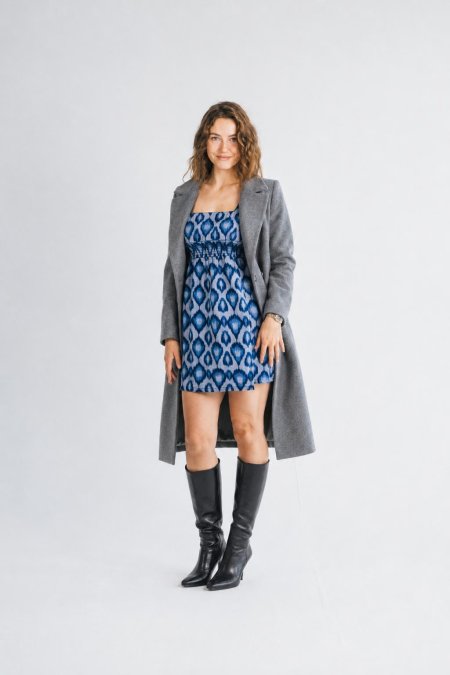
Add a denim jacket to instantly signal casual wear. Button it open, roll the sleeves, and formality disappears. Other options: a lightweight linen overshirt, cropped cardigan, long wool coat, or button-up shirt tied at the waist. The dress doesn't change, only the frame around it does.
Swap Formal Shoes for Flats or Sneakers
Shoes shift the entire vibe. Formal heels say "event"; flat sandals say "casual"; sneakers say "weekend." Swap between flat sandals, canvas sneakers, loafers, or ankle boots. This single change makes the biggest visual difference, a bridesmaid dress with sneakers reads as intentional styling, not a costume.
Ways to Reuse a Bridesmaid Dress for Different Occasions
A quality bridesmaid dress works across multiple events throughout the year, earning its place in your wardrobe.
Graduation Parties and Milestone Celebrations
Graduation parties, milestone birthdays, and family celebrations call for something dressier than jeans but less formal than a gown. A bridesmaid dress fits perfectly, pair it with simple jewelry and minimal makeup.
Work Events and Professional Gatherings
Company dinners and professional galas need polished attire. A well-made bridesmaid dress in structured fabrics like Noble Misfit's ikat weaves reads as intentional professional wear. Add a blazer and structured jewelry for event-ready styling.

Brunches and Casual Social Events
Sunday brunches, garden parties, and casual dinners are where bridesmaid dresses shine. Layer and accessorize differently for occasions between casual and formal.
What to Wear with a Bridesmaid Dress to Transform the Look
Accessories and layering pieces are your transformation tools. They let you wear the same dress five different ways without it ever looking like the same outfit.
Accessories That Change the Vibe
Accessories shift how a dress reads instantly. Statement jewelry and heels feel formal; delicate jewelry and flats feel casual; a belt and bag feel put-together. Try bold earrings with a clutch, delicate jewelry with a crossbody bag, a structured belt, or layered necklaces, each swap takes seconds but transforms the look.
Layering Pieces That Add Versatility
A fine knit under sleeveless dresses extends them into cooler months. A long coat transforms them for winter. An unbuttoned shirt creates a different silhouette. Noble Misfit's ikat maxi dresses feature buttons running the full length, so they double as a long shrug when unbuttoned. Invest in a lightweight cardigan, structured blazer, denim jacket, long coat, or fitted turtleneck.
| Layering Piece | Best For | Styling Effect |
|---|---|---|
| Denim jacket | Casual everyday wear | Instantly softens formality |
| Blazer | Work events, dinners | Adds polish and structure |
| Cardigan | Transitional seasons | Maintains elegance while adding warmth |
| Long coat | Winter wear | Extends dress wearability year-round |
| Fitted knit | Under sleeveless dresses | Adds warmth and changes proportion |
Bridesmaid Dress Alterations That Extend Wearability
Alterations can unlock new life in a bridesmaid dress, but not every dress is a good candidate. Before committing time and money, assess the fabric's durability, construction quality, and whether the alteration solves a real barrier to rewearing.
Assessing Whether Your Dress Is Worth Altering
Ask yourself: Does the dress use natural fibers (cotton, linen, silk, wool) or delicate synthetics? Natural fabrics hold up better through alterations. Is it well-made, check seams, hems, and lining. Are you altering because it doesn't fit, or hoping an alteration will make you like it? Alterations fix fit and length, not color or silhouette. Will you wear it multiple times a year, or just once or twice more?
Hemming and Length Adjustments
Hemming to midi (mid-calf) or cocktail length (just below the knee) opens multiple styling possibilities. Midi works for most body types and occasions; cocktail length is more versatile for work settings. A skilled tailor can build in flexibility by hemming to work with multiple shoe heights or adding a subtle slit.
Strap and Sleeve Modifications
Adding adjustable straps to a strapless dress lets you wear it under blazers and cardigans for professional settings. Adding cap sleeves transforms a sleeveless dress for year-round wear. Removing straps gives you a strapless option for layering. Sheer overlays provide coverage without bulk.
Bodice and Waist Adjustments
Taking in side seams is the most common fix for a loose fit and preserves the original silhouette. Adjusting the waist changes how the dress sits. Adding darts creates custom fit without removing fabric.
Ikat Maxi Dress with Pockets – Blue →
When Alterations Aren't Worth It
Skip alterations if: the dress is damaged (stains, torn seams, broken zippers); the color or fabric doesn't suit you; the dress requires multiple major alterations; or the fabric is delicate or heavily embellished.
Choosing Bridesmaid Outfits You'll Actually Rewear
If you're selecting your own bridesmaid dress or have input as a bride, these criteria matter. But most readers already own a bridesmaid dress and need to know whether it's worth the effort to rewear. Both scenarios require honest assessment.
If You're Choosing a Bridesmaid Dress
When you have the luxury of choice, build versatility in from the start:
Choose colors you'd wear regularly, jewel tones, neutrals, earth tones. Natural fibers breathe better and hold up through multiple wears. Choose a silhouette that flatters your body and you'd wear outside a wedding, A-line skirts, wrap dresses, fitted bodices with flowing skirts. The dress should fit well with only minor hemming. Functional details like pockets, buttons, adjustable straps, or wrap-style bodices add versatility.
Dresses designed around this logic, like hand-printed ikat styles with fitted bodices, flowing skirts, functional button fronts, and side pockets, work as bridesmaid wear and as pieces you'll reach for on ordinary days. That's the concept of not choosing between two wardrobes.
If You Already Own a Bridesmaid Dress
Before investing time and money in restyling or alterations, honestly assess whether this dress is worth the effort.
Step 1: Evaluate the fundamentals
Ask yourself these questions:
- Do you like the color? If you've avoided wearing it since the wedding, the color probably doesn't work for you. If the answer is no, move on.
- Does the fabric feel good? Wear the dress around your house for an hour. Does it itch, ride up, bunch, or feel uncomfortable? If the fabric itself bothers you, restyling won't fix that.
- Is the fit close to right? Try it on with shoes you'd actually wear. Does it need hemming? Minor taking-in at the seams? Or does it need extensive work? Minor adjustments are worth pursuing; major reconstruction usually isn't.
- Is the silhouette flattering? Look in the mirror honestly. Does this shape work for your body? If not, no amount of accessories or layering will change that.
Step 2: Assess the dress's condition
- Stains or damage: Can they be cleaned or repaired? If the dress has permanent stains, a professional cleaner can sometimes help. If there are tears or broken seams, a tailor can repair them. But if the damage is extensive, the cost of repair may exceed the dress's value to you.
- Fabric integrity: Does the fabric still feel sturdy, or is it pilling, thinning, or fraying? Delicate fabrics may not survive multiple wears or alterations.
- Seams and construction: Are the seams intact? Is the lining secure? A well-made dress is a better candidate for restyling and alterations.
Step 3: Decide on your rewear vision
Be specific about how you'd actually wear this dress:
- Casual everyday: Denim jacket, flats, minimal jewelry. Does the dress work this way, or does it still read as "formal"?
- Work or professional events: Blazer, structured jewelry, professional bag. Does the fabric and silhouette read as intentional professional wear?
- Social occasions: Brunches, garden parties, casual dinners. Does it feel appropriate and comfortable for these settings?
- Other weddings or formal events: Would you wear it to another wedding, or does it feel too tied to the original event?
If you can't imagine wearing it in at least two of these scenarios, restyling probably won't change that.
Step 4: Calculate the effort-to-reward ratio
If the dress passes steps 1-3, decide whether restyling is realistic:
- Styling only (layering, accessories, shoes): Low effort, no cost. Try this first.
- Minor alterations (hemming, strap adjustments): Moderate effort and cost, 1-2 weeks. Worth pursuing if the dress otherwise works.
- Major alterations (extensive bodice work, dyeing, multiple changes): High effort and cost, 2-4 weeks. Only pursue if you genuinely love the dress and see yourself wearing it regularly.
- Donation or resale: If the dress doesn't pass your assessment, consider passing it to someone who will wear it.
Frequently Asked Questions
Can you really wear a bridesmaid dress again after the wedding?
Yes. The key is choosing an elevated everyday piece and giving it a festive turn for the wedding, rather than purchasing something overly formal. Noble Misfit dresses, for example, are designed with versatility in styling in many ways. By layering with casual pieces like denim jackets, changing your accessories, and adjusting your hairstyle and makeup, you can transform a bridesmaid outfit into something that works for brunch, work events, or other weddings. Alterations like hemming or adjusting straps can further extend how many occasions you can wear the dress for.
What are the best ways to reuse a bridesmaid dress without looking like you're recycling your bridesmaid outfit?
Change the styling completely. Pair your bridesmaid dress with a denim jacket and flats for casual wear, or add a long coat and boots for winter. Swap formal jewelry for everyday pieces, change your hairstyle from the wedding look, and use different shoes and handbags. Layering with casual pieces and choosing neutral accessories helps the dress read as an intentional everyday choice rather than formal wear. Shorter hemlines or different straps can also give the dress an entirely new identity for different occasions.
How do I style a bridesmaid dress casually for work or everyday events?
Layer it with a denim jacket, cardigan, or blazer to instantly make it less formal. Pair it with flat sandals, sneakers, or ankle boots instead of heels. Add a structured handbag and minimal jewelry to create a polished but approachable look. You can also wear it as a long shrug if the dress buttons down the front, like Noble Misfit's Ikat Maxi Dresses, which opens unbuttoned to create an entirely different silhouette. This approach works for casual Fridays at work, weekend brunches, and social gatherings where you want to feel put-together without looking overdressed.
What alterations make a bridesmaid dress more wearable for everyday occasions?
Hemming a floor-length dress to midi or cocktail length makes it appropriate for casual settings and easier to style with everyday shoes. Changing or removing straps, adding sleeves, or adjusting the neckline can transform how formal the dress feels. Work with an experienced tailor to discuss which alterations suit your dress fabric and desired final look.


